COGNITA ENTERS AUSTRIAN MARKET WITH NEW SCHOOL NEAR SALZBURG
St. Gilgen International School, near Salzburg, joins Cognita's global community
LONDON, March 12, 2026 /PRNewswire/ -- Cognita, a leading global schools group, is proud to announce that St. Gilgen International School (StGIS) has joined its worldwide community – marking its first school in Austria. It joins Cognita's thriving network of over 22,000 colleagues and 90 schools across 21 countries, serving 100,000 students.
Germà Rigau, Managing Director Continental Europe at Cognita, said:
"We're proud to welcome St. Gilgen into Cognita's global family, marking our entry into Austria. At Cognita, we honour the unique identity and traditions of every school, and St. Gilgen stands as a powerful embodiment of the values that define us: academic excellence, innovation, and an unwavering commitment to unlocking the potential of every learner."
Gert Fahrnberger, Chair of the Board of the St. Gilgen International School Private Foundation, commented:
"After a decade of successfully leading and developing the school through our parent-founded foundation, the partnership with the Cognita Group marks the next logical milestone in our journey. The Foundation will remain closely connected to St. Gilgen International School as a committed minority shareholder and will continue to safeguard the school's values. Cognita's global expertise in academic excellence, combined with its investment strength, provides a solid foundation for the continued evolution of this beacon of education that means so much to all of us."
Martina Moetz, Head of School at St. Gilgen International School, said:
"We are incredibly excited to become part of Cognita. This is a major step in our school's journey, opening up remarkable opportunities for our students, staff, and community. The strength of Cognita's worldwide network inspires us – bringing invaluable resources, innovative learning experiences, and meaningful connections with a diverse and dynamic global community."
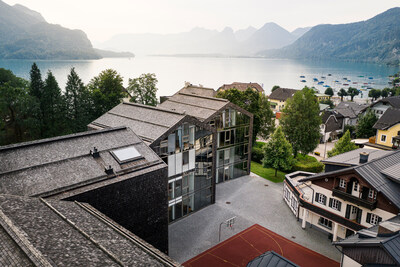
StGIS is located in the picturesque lakeside village of St. Gilgen in the Austrian state of Salzburg. Focusing on the International Baccalaureate curriculum, it provides world-class education for students aged between 9-18, as well as boarding for approximately half of the pupils. The school educates over 230 students from 35+ nationalities, empowering them to excel academically, while developing independence, creativity, and intercultural understanding.
Excellent outdoor learning and extra-curricular provision extends this philosophy beyond the classroom. From sports and outdoor expeditions to arts, cultural trips, and community service, StGIS offers a vibrant range of opportunities that inspire perseverance, passion, and personal growth. Students are encouraged to explore their talents, build confidence, and embrace a healthy, balanced lifestyle – fully supported every step of the way. Through these diverse experiences, they develop resilience, leadership, and a deep appreciation for teamwork and creativity, complementing the school's strong academic foundation.
By becoming part of the Cognita family, StGIS will benefit from specialist support and resources provided by one of the world's leading schools groups. From education quality assurance and safeguarding expertise through to investment in facilities and technical support, Cognita will work with the team at StGIS to ensure that the school continues to thrive. The community-rooted St. Gilgen International School Foundation also remains a strong partner and minority shareholder.
About Cognita
Founded in 2004, Cognita is a leading global schools group with 90 schools across 21 countries, which are united by a single purpose: empowering students to thrive in a rapidly evolving world. With 100,000 students and over 22,000 dedicated staff across Asia, Europe, Latin America, the Middle East and the US, Cognita offers a truly global education experience. Our schools prioritise academic excellence and then go beyond, fostering resilience, adaptability, and a growth mindset to equip young people with the skills they need to succeed.
Photo - https://mma.prnewswire.com/media/2932519/StGIS_Campus.jpg
Logo - https://mma.prnewswire.com/media/2244643/5860915/Cognita_Logo.jpg
 View original content to download multimedia:https://www.prnewswire.co.uk/news-releases/cognita-enters-austrian-market-with-new-school-near-salzburg-302712265.html



,regionOfInterest=(955,281)&hash=27c131b7533e2d4916860cc04ae4112762ad11c6c6490fc505e779e190a65bcd)