Hikvision Releases 2026 Cybersecurity White Paper, Fostering Digital Trust in the AIoT Era
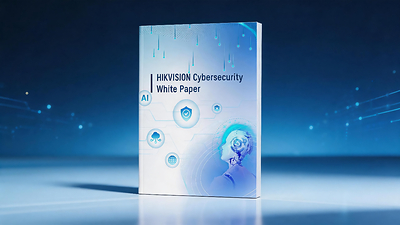
HANGZHOU, China, June 12, 2026 /PRNewswire/ -- Hikvision has released its 2026 Cybersecurity White Paper, marking its ongoing commitment to transparent and robust security practices. The latest edition outlines the company's advanced security framework, designed to address emerging digital challenges for the AI-powered Internet of Things (AIoT) industry.
Elevating Security via the HSDMM Framework
At the core of Hikvision's security strategy is the Hikvision Security Development Maturity Model (HSDMM). Designed to quantify and standardize security activities throughout product development, the HSDMM integrates structured organizational governance, well-defined management processes, and robust technical measures.
The 2026 White Paper walks readers through the HSDMM across its three core dimensions: security governance, security processes, and security technologies. By systematically implementing this model, Hikvision enhances product confidentiality, integrity, and availability, establishing a reliable digital foundation for global IoT deployments.
Addressing Emerging Risks in a Complex Technological Landscape
As technology evolves, the 2026 White Paper details Hikvision's systematic practices across these three HSDMM dimensions, with a particular focus on managing emerging risks related to data security, privacy protection, and Artificial Intelligence. Key updates in the 2026 edition include:
- Artificial Intelligence Security: A newly added chapter systematically evaluates and outlines the protection framework for AI models, helping partners navigate security challenges during smart and digital transitions.
- Advanced Data Protection: The paper introduces updated guidelines for data classification and grading, alongside dedicated security requirements for both edge devices and cloud-based services.
- Open-Source Software Governance: A dedicated section defines stringent management protocols for open-source software—spanning introduction, audit, and release—to ensure secure, closed-loop integration.
- Integrated Vulnerability Management: The paper highlights the critical role of vulnerability management and integrates security incident response processes, covering every key phase from detection to mitigation.
Fostering Digital Trust in the AIoT Era
To foster international digital trust, Hikvision actively adopts global best practices and aligns its operations with international standards. In recent years, the company has obtained multiple ISO/IEC certifications for product security and vulnerability handling, alongside compliance alignments with ETSI EN 303645 and NIST CSF 2.0. These milestones reflect the company's continuous investment in product lifecycle security.
Looking ahead, Hikvision remains committed to integrating technological research with robust governance, delivering reliable security assurance to support digital transformation across diverse industries.
Check here to read Hikvision's full 2026 Cybersecurity White Paper.
 View original content to download multimedia:https://www.prnewswire.co.uk/news-releases/hikvision-releases-2026-cybersecurity-white-paper-fostering-digital-trust-in-the-aiot-era-302798966.html