International Day for Dialogue Among Civilizations Events Held in Geneva
GENEVA, June 10, 2026 /PRNewswire/ -- On June 8, a series of events in commemoration of the United Nations International Day for Dialogue among Civilizations was held in Geneva, Switzerland. The events were jointly organized by the State Council Information Office of China, the Permanent Mission of China to the United Nations Office at Geneva and Other International Organizations in Switzerland, and the International Confucian Association, and co-organized by the China Intercontinental Communication Center (CICC), the Information Office of the People's Government of Zhejiang Province, and the Information Office of the People's Government of Henan Province.
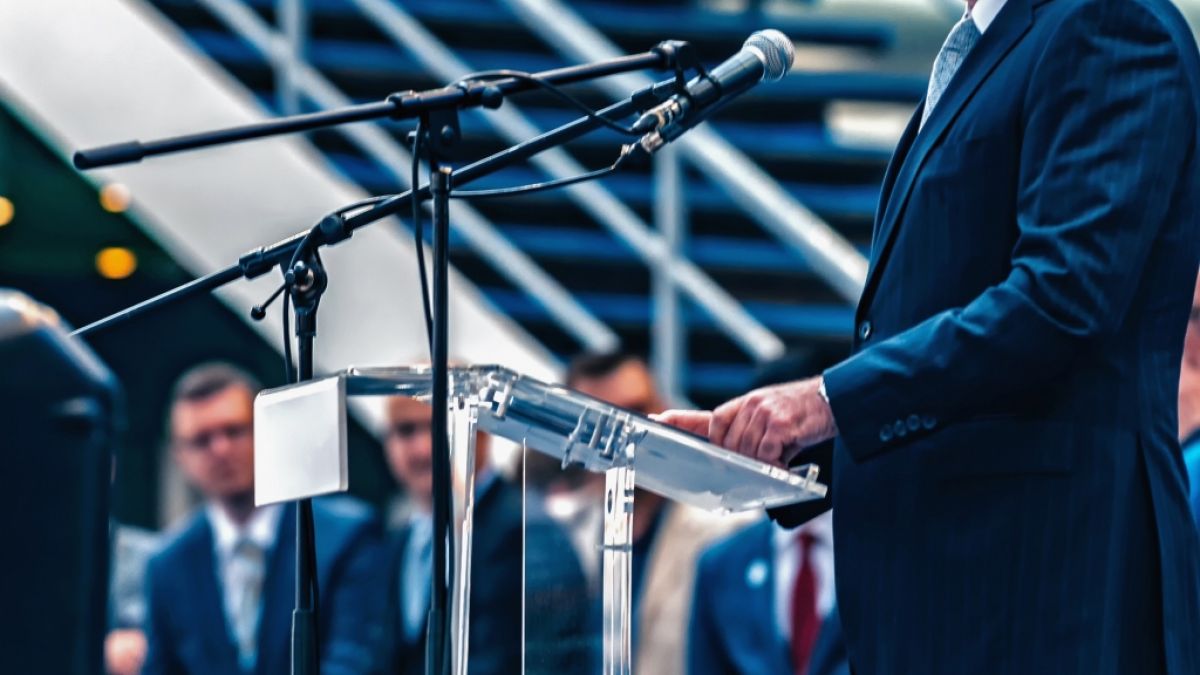
More than 200 representatives from over 50 countries attended a high-level seminar that afternoon. Under the theme "Equal Dialogue among Civilizations for a Better Future through Multilateral Cooperation", participants engaged in extensive discussions on promoting mutual understanding among civilizations and strengthening international cooperation.
A series of exhibitions showcasing the richness of world civilizations and the enduring appeal of Chinese culture were held. The graphic seals exhibition Mutual Learning Among Civilizations with a Shared World Vision, curated by the Xiling Seal Engraver's Society, offered visitors an interactive opportunity to appreciate the rich diversity of cultures around the world by incorporating distinctive cultural elements from all 193 United Nations member states into intricately designed seals. The Silk Road and Dunhuang: Millennia-Old Treasures for Humanity exhibition, presented by China Intercontinental Communication Center and the International Communication Center of Dunhuang Culture, showcased the remarkable achievements of cultural exchange and mutual learning between Eastern and Western civilizations along the Silk Road.
The Henan Elephant International Communication Center presented the immersive virtual reality experience Tang Palace Banquet. Drawing on archaeological findings and digital technologies, the exhibition brought the splendor of the Tang Dynasty to life.
In the evening, an art performance entitled Beyond Borders: Weaving Cultures Through Artistic Expressions, presented by Henan Broadcasting System, the Ningbo Symphony Orchestra, and the China Disabled People's Performing Art Troupe, captivated audiences with a vibrant celebration of cultural exchange. Through a diverse range of artistic forms, the performance served as a bridge for dialogue among civilizations and showcased the beauty of cultural convergence.
In June 2024, the United Nations General Assembly unanimously adopted a resolution proposed by China designating June 10 as the International Day for Dialogue Among Civilizations.
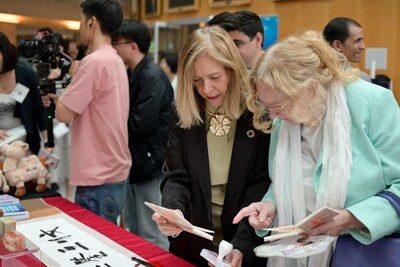
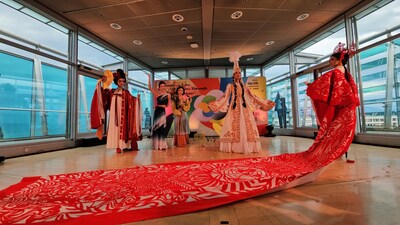
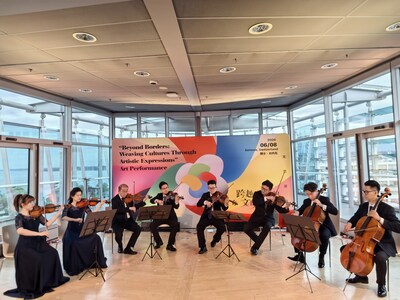
Photo - https://mma.prnewswire.com/media/2996436/20260610003242_4_2407.jpg
Photo - https://mma.prnewswire.com/media/2996437/20260610003403_6_2407.jpg
Photo - https://mma.prnewswire.com/media/2996438/20260610003314_5_2407.jpg
 View original content:https://www.prnewswire.co.uk/news-releases/international-day-for-dialogue-among-civilizations-events-held-in-geneva-302796476.html