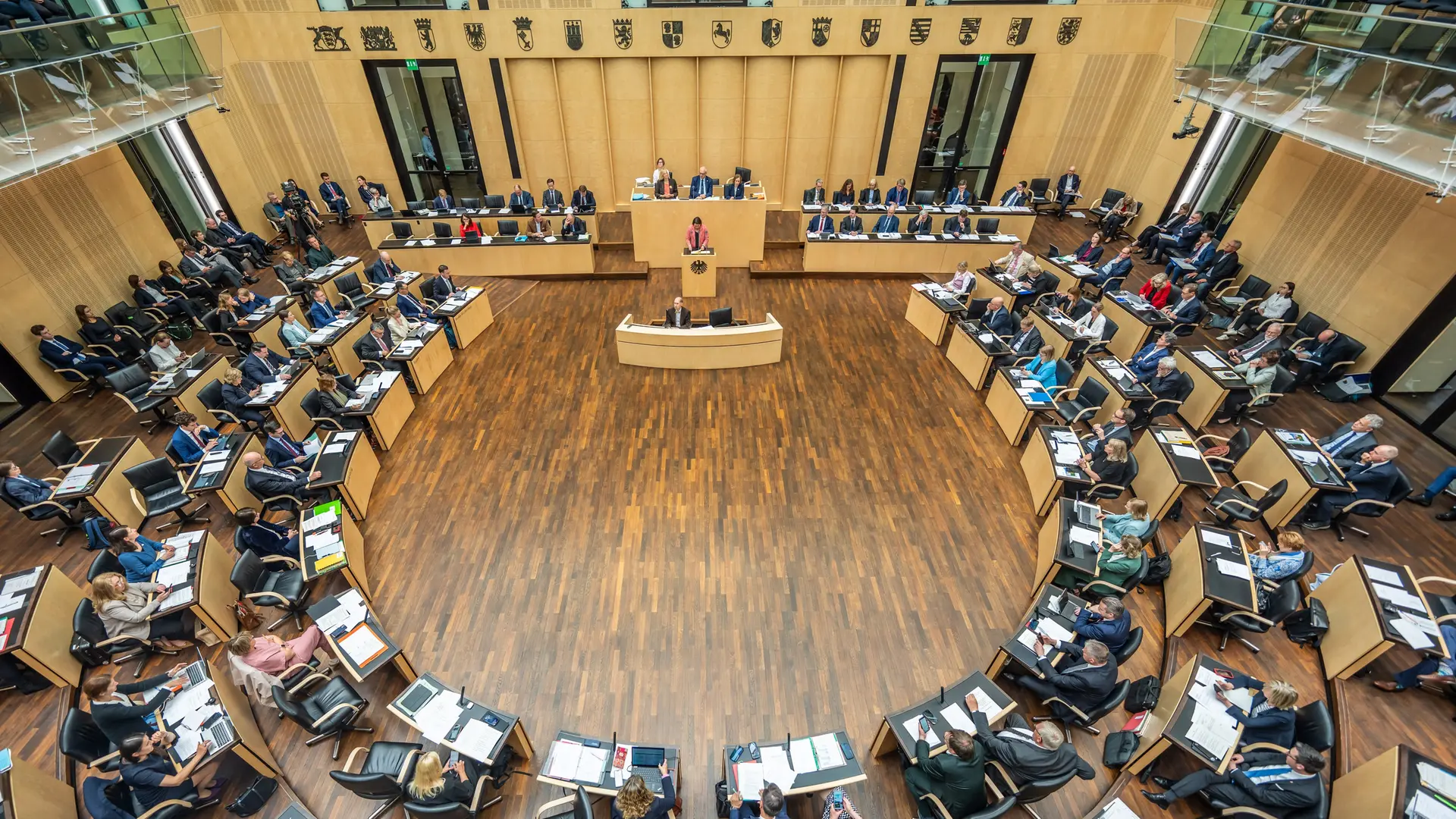
New GlobeScan report, covering 85% of Europe's offshore wind capacity and commissioned by Dajin Heavy Industry, calls for greater policy certainty amid growing delivery challenges
BRUSSELS, June 9, 2026 /PRNewswire/ -- Europe's offshore wind ambitions are at risk from rising costs, according to a new industry report published by Think Tank GlobeScan. The study, based on interviews with senior executives representing approximately 85 percent of Europe's existing and planned offshore wind capacity, finds that only 7 percent of respondents are fully confident that the European Union will meet its offshore wind targets.

Europe is stepping up efforts to strengthen its strategic autonomy, enhance energy security, and expand domestic clean energy manufacturing. Against this backdrop, policymakers are weighing measures ranging from local content requirements and trade instruments to cybersecurity and supply chain resilience rules.
The report, commissioned by Dajin Heavy Industry, provides new insight into how offshore wind developers view these measures. Respondents broadly support cybersecurity requirements and express conditional support for mechanisms such as the Carbon Border Adjustment Mechanism (CBAM), provided implementation remains practical and predictable. However, support falls significantly for measures that could increase costs in a context of ongoing inflationary pressures, including local content requirements and trade restrictions.
They point to three main areas affecting project delivery:
- Supply chains: Bottlenecks and capacity constraints across global and European supply chains are making project delivery less predictable.
- Trade restrictions: Import tariffs and trade defence measures are viewed as particularly harmful due to limited near-term alternatives for key components and services.
- Local content requirements: Mandatory local content provisions are seen as potentially limiting project viability in a tight cost environment.
Across the value chain, respondents underline the importance of maintaining efficient global supply chains alongside efforts to strengthen Europe's industrial base. The findings suggest that achieving offshore wind deployment targets will require project affordability, investment certainty, and timely execution, while ensuring continued access to the components and infrastructure needed to deliver projects at scale.
About Dajin Heavy Industry:
Dajin Heavy Industry is a leading offshore wind fabricator specializing in monopiles, transition pieces, offshore towers, jackets, and floating foundations, while also expanding into shipbuilding capabilities and integrated transport solutions. With more than 25 years of proven experience across both onshore and offshore wind products, Dajin ranks among the top-tier global manufacturers of wind power equipment.
The company has achieved several industry milestones, including becoming the first Chinese supplier to deliver offshore towers to Europe, and the first APAC supplier in more than a decade to supply XXL monopiles to the European market.
Dajin Heavy Industry Co., Ltd. is advancing its strategic expansion into offshore wind installation to underpin Europe's offshore wind development targets. As part of this strategic shift, Dajin plans to deliver a one-stop "Manufacturing + Transportation + Marshaling + Installation" integrated solution to the European offshore wind industry, marking a key milestone in its transformation from a core equipment manufacturer to a full solution provider.
Dajin continues to strengthen dialogue and collaboration with global offshore partners, who widely identify Port and Transport & Installation as a critical supply chain constraint to achieving offshore wind ambitions.
Media Contact:
Moises Costa, Director of Government Relations and Communications at Dajin
- Email: moises.costa@dajin.cn
- Phone: +33 (0)6 98 76 20 79
Logo - https://mma.prnewswire.com/media/2996011/Dajin_Logo.jpg
 View original content: