Retail Algorithmic Trading Set to Outpace Institutional Segment Through 2030, TakeProfit Reports
SAN FRANCISCO, March 10, 2026 /PRNewswire/ -- TakeProfit Inc, operator of the cloud trading platform TakeProfit.com, this week announced the launch of a cloud-based strategy backtesting module available to both paid and free-tier users. The release expands the platform's systematic trading infrastructure amid accelerating growth in the retail algorithmic trading segment.
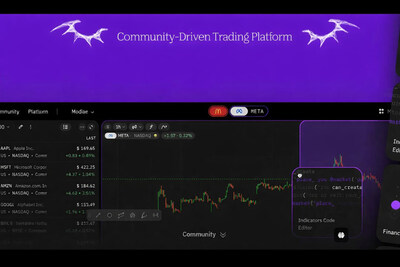
The newly introduced module enables users to design, test, and evaluate quantitative trading strategies directly within a browser-based environment without requiring local software installation. According to the company, the functionality is integrated into existing Workspaces and supports custom indicators developed in Indie, the platform's Python-based scripting language.
The launch comes as third-party industry research indicates sustained expansion in the global algorithmic trading market. Data from Fortune Business Insights, Grand View Research, Mordor Intelligence, and IMARC Group estimate the market at approximately $21 billion in 2024, with projections reaching nearly $43 billion by 2030 at a compound annual growth rate of 12.9 percent.
Within that expansion, retail investors are identified as one of the fastest-growing segments, reflecting broader adoption of systematic and quantitative trading methodologies outside traditional institutional environments.
TakeProfit noted that the data reflects a broader structural shift in who uses algorithmic and quantitative trading tools. "The growth in the retail segment points to traders who want systematic approaches but are working with platforms designed for institutional workflows or built around proprietary scripting environments," Pavel Medvedev, Digital Growth Strategist at TakeProfit.com stated. "This gap is where cloud-native infrastructure and modular trading environments are finding traction."
The company develops Indie, a Python-based scripting language for custom indicator development, and operates a cloud-based Indicator Marketplace where independent analysts and Creators can publish and monetize trading tools. The platform also includes the TakeProfit Screener, modular Workspaces, and an integrated Community Feed that allows market participants to share research and trading ideas within the ecosystem.
Through its Widgets architecture and centralized Widget Hub, traders can configure charting layouts, screening modules, data panels, and execution components inside flexible, browser-based Workspaces.
Market data referenced in this commentary was compiled from Fortune Business Insights, Grand View Research, Mordor Intelligence, and IMARC Group reports reflecting conditions as of Q4 2024. The full commentary is available at TakeProfit.com.
About TakeProfit
TakeProfit is a cloud trading platform for self-directed traders and algorithmic market participants. Operated by TakeProfit Inc, the platform combines advanced charting, Indie scripting for custom indicator development, a cloud-based Indicator Marketplace, the TakeProfit Screener, modular Workspaces, Widgets, a centralized Widget Hub, and a Community Feed designed to support independent Creators.
The company was founded by Alexey Shulzhenko, Founder & CEO and former CMO of TradingView. More information is available at TakeProfit.com.
Contact
TakeProfit Press Office
hi@takeprofit.com
Photo: https://mma.prnewswire.com/media/2930274/TakeProfit_Reports.jpg
 View original content:https://www.prnewswire.co.uk/news-releases/retail-algorithmic-trading-set-to-outpace-institutional-segment-through-2030-takeprofit-reports-302709341.html