Tsingke Customer Quality Audit Highlights Manufacturing Systems and Quality Controls
BEIJING, Oct. 22, 2026 /PRNewswire/ -- As synthetic biology expands into new applications, standardized manufacturing, reliable production data, and robust quality management are increasingly important. Tsingke recently hosted an on-site customer quality audit by Sichuan Kelun-Biotech Biopharmaceutical Co., Ltd. at its Chengdu manufacturing facility.
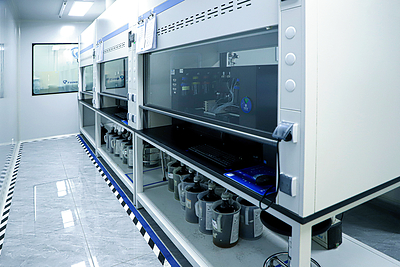
Audit Reviews Key Manufacturing Quality Controls
The audit covered four key areas:
- Raw Material Traceability: Review of material receipt, inventory, certificates of analysis (COAs), acceptance records, and end-to-end traceability across production.
- Equipment Lifecycle Management: Assessment of equipment qualification, calibration, maintenance, status labeling, and ongoing monitoring.
- Data Integrity and Computerized Systems: Review of system validation, access controls for Core-System and U8 Cloud, data archiving, backups, and periodic reviews.
- Biological Sample Management: Evaluation of sample receipt, identification, storage, transfer, retention, and disposal.
These reviews highlight how Tsingke integrates quality requirements into routine manufacturing operations.
Advancing "AI + Molecular Manufacturing"
Tsingke's "AI + Molecular Manufacturing" strategy builds on standardized workflows, robust quality controls, and reliable production data to support AI-driven production analytics, process monitoring, and optimization.
Its Gene Factory model integrates molecular manufacturing with digital technologies to coordinate and optimize production. The audit highlights the importance of standardized processes and reliable data in advancing integrated, digitally enabled manufacturing.
Supporting Scalable Molecular Manufacturing
Tsingke will continue to strengthen its manufacturing processes and quality management systems while exploring digital technologies and AI applications to improve operational consistency, support scalable production, and build long-term customer partnerships.
About Tsingke
Beijing Tsingke Biotech Co., Ltd. is a biotechnology company providing comprehensive solutions for research and therapeutic development. With expertise in molecular biology, genetics, and protein science, Tsingke offers custom DNA/RNA synthesis, gene cloning, protein expression, antibody discovery, and viral vector packaging (AAV, LV, AdV). Its ISO 13485–certified facilities and Class 100,000 cleanroom ensure consistent quality and reliability. Backed by advanced automation and a global scientific team, Tsingke accelerates innovation in drug discovery, functional genomics, and genetic engineering—empowering researchers worldwide with cutting-edge biomanufacturing solutions.
For news and updates, follow Tsingke Biotech on LinkedIn.
Media Contact: market@tsingke.com.cn
 View original content to download multimedia:https://www.prnewswire.co.uk/news-releases/tsingke-customer-quality-audit-highlights-manufacturing-systems-and-quality-controls-302915300.html